– Joshua Bamiloye Defends Mount Zion Over Yoruba Culture Debate
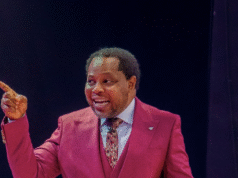
Nigerian filmmaker and creative director, Joshua Bamiloye, defends Mount Zion. He stated the production doesn’t demonize Yoruba culture rather, the ministry’s films are designed to communicate Christian teachings rather than attack any ethnic identity or cultural heritage.
Bamiloye made the clarification amid ongoing conversations about the portrayal of traditional beliefs and practices in faith-based films, particularly productions associated with Mount Zion Faith Ministries.
According to him, many critics often misunderstand the central message of Mount Zion movies, interpreting their spiritual themes as an attack on Yoruba culture.
SEE ALSO: “Alcohol Isn’t Sinful, But Opens More Dangerous Doors” – Dunsin Oyekan
He argued that the films focus on Christian doctrine and spiritual convictions, not on condemning an ethnic group or its cultural values.
The filmmaker maintained that Yoruba culture extends beyond religion and traditional worship practices, noting that language, values, customs, family structures, respect for elders, and communal living remain important aspects of the culture that should not be conflated with spiritual beliefs.
Bamiloye stressed that Mount Zion productions have consistently sought to present biblical perspectives on spiritual matters while also embracing indigenous languages and cultural expressions. He added that the ministry has over the years used Yoruba language, music, proverbs, and storytelling techniques to communicate its messages to audiences.
The comments come amid renewed debate on social media over the representation of African traditional beliefs in Christian films.
While some critics argue that faith-based movies often portray indigenous religious practices negatively, supporters contend that such portrayals reflect the doctrinal positions of the filmmakers rather than hostility toward culture itself.